Case study · 2024–26 · Acquired by Kooth
Kismet Health
Kismet is a HIPAA-compliant pediatric telehealth platform for providers working with children in a digital play therapy setting.
The problem
A high-quality telehealth platform didn't exist for pediatrics. Providers were left with general telehealth platforms that weren't built for kids, or fell back to video chat products like Zoom that likely weren't HIPAA-compliant.
Where it started
I joined as the only designer and frontend engineer. The platform had paying customers and was buggy enough that providers were falling back to Zoom. The first job was a rebuild, and the first hire was a backend engineer I interviewed and brought on. He wrote the new Rails 8 API while I rebuilt the Next.js app on top of it, and for a while we were the whole engineering team.
What we built
Moving a live clinic onto a new API
The cutover had to happen under real sessions, so it went feature by feature: a new API layer and auth, then call start, the waiting room, chat and the call controls store, then the play canvas. Everything real-time moved onto WebSockets over ActionCable, with AnyCable in front of it in production. I was a regular on the on-call rotation before and after, which is how I know production incidents went from daily to rare. Churn dropped and retention rose immediately after the relaunch.
Video rooms on LiveKit
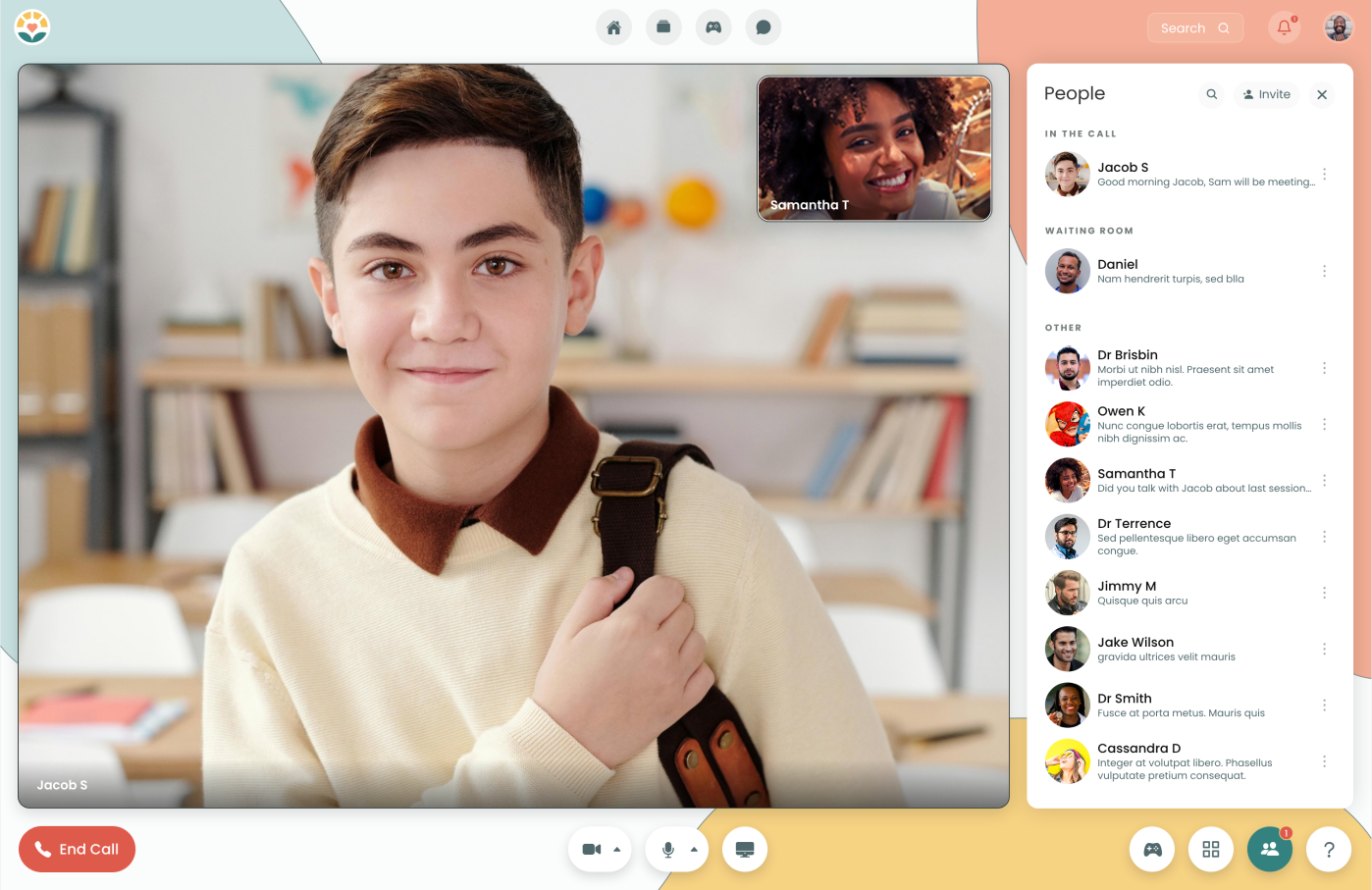
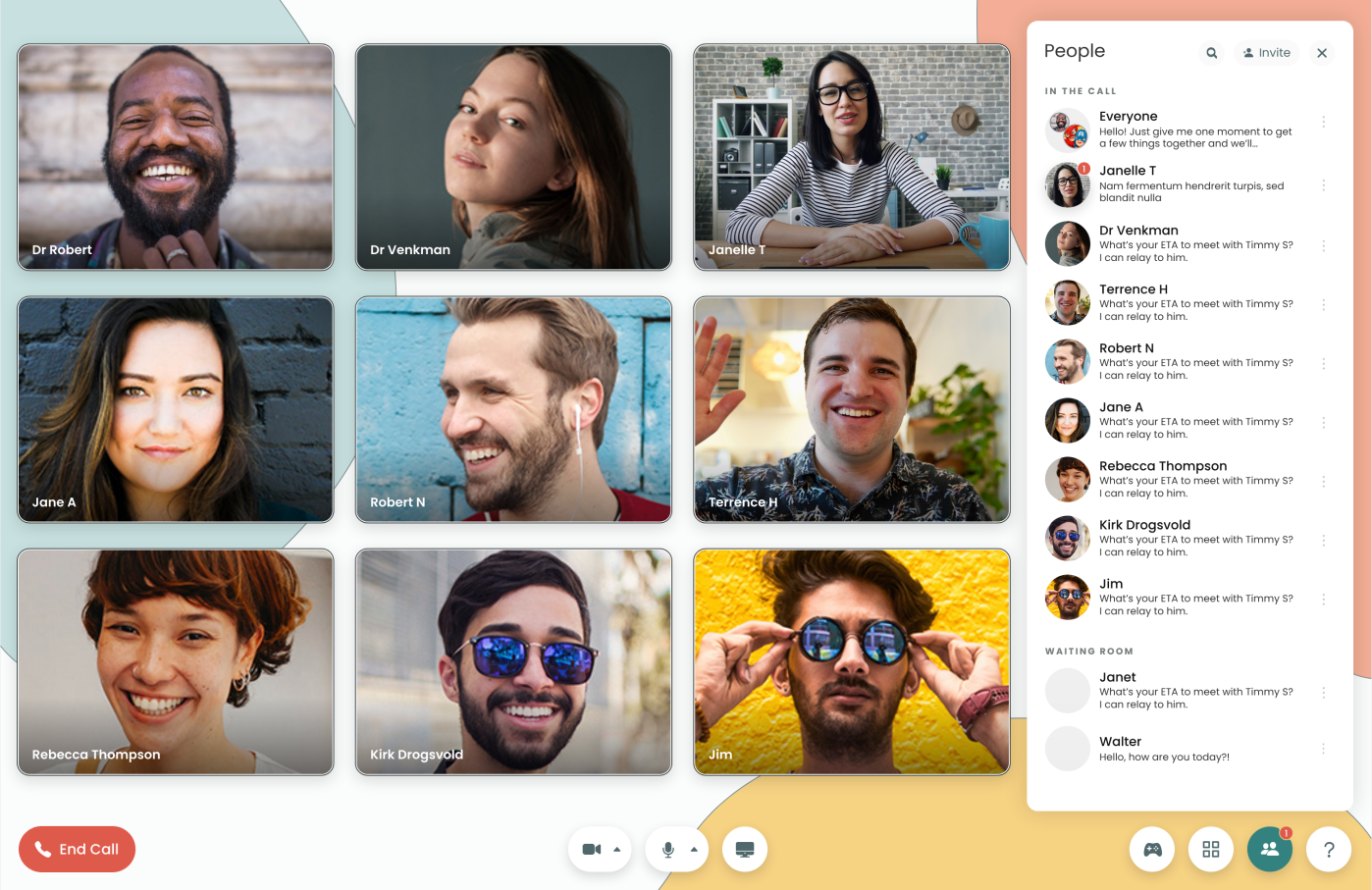
We used livekit-client and the LiveKit React components, but stripped the default room UI and rebuilt it: a room layout that fits video to whatever space it has using container queries, a control bar, track pinning, screen-share crop scaling and speaking indicators. Many patients are in rural areas on low-powered Android phones, so adaptive streaming and the room config were tuned for thin bandwidth and weak hardware. The permissions dialog and the disconnect flow got their own design pass, because a seven-year-old whose camera stops working needs a different screen than an adult does.
Play therapy over a socket
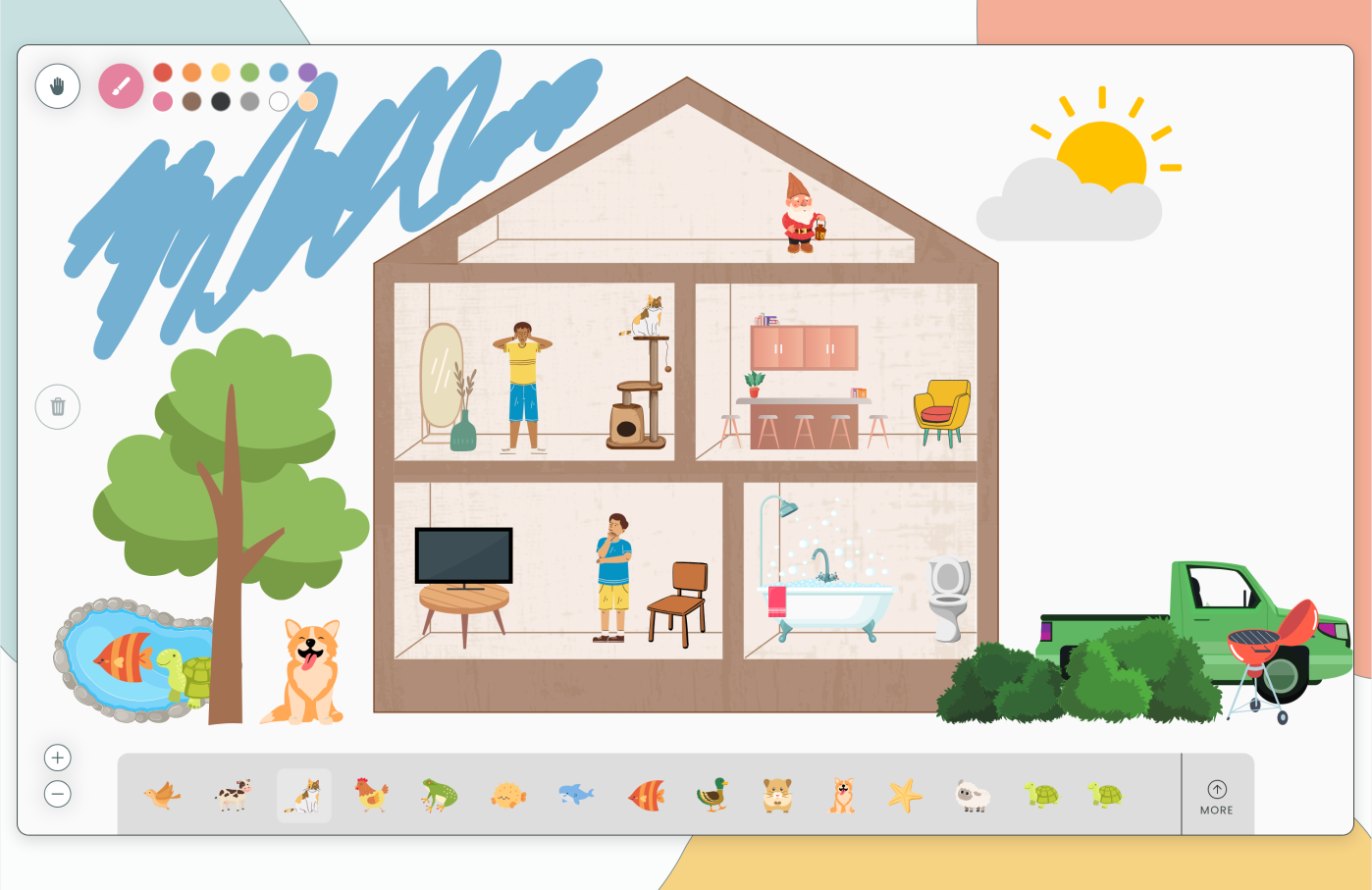
Play therapists need toys, not a chat box. We built six multiplayer activities: Battleship, Connect Four and Uno remakes, and a shared canvas with a free mode, a dollhouse mode and a sand tray mode. The turn-based games run on boardgame.io. The canvas is KonvaJS with hundreds of themed stickers you can drag, rotate and scale, with Framer Motion handling the drag. State syncs through a custom WebSocket layer in Rails so the provider and the child see the same board at the same moment. I directed a contract engineer on some of the games and built the canvas myself.
Replacing MUI, then theming rooms by age
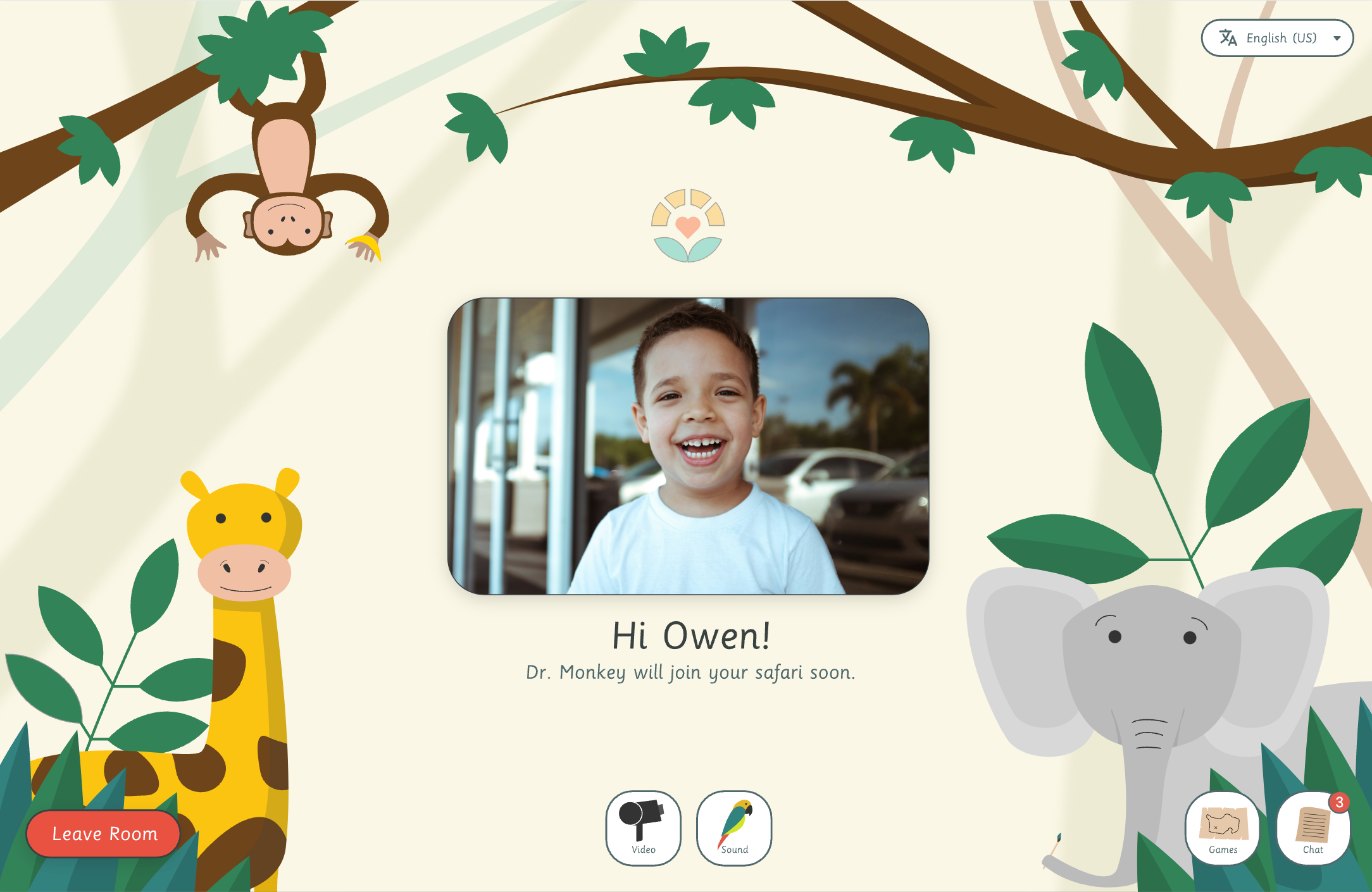
MUI is great if you want your product to look like Google, and an uphill battle to tailor past that, so I replaced it with an in-house component library documented in Storybook, in about three weeks. That made the next thing possible: five age-based room themes, from Safari and Whimsy for young kids to a simplified high-contrast mode for older patients, chosen by the provider and synced live to the patient's screen mid-session. The themes sit on top of the same component library rather than forking it, so a theme change is one message from provider to patient and every component in the room restyles from it.
Compliance and the plumbing
Session recording checks every participant's consent before it starts, and went on to capture hundreds of sessions. The Epic and Cerner integrations run on SMART on FHIR, built with our backend engineer, so a provider can launch Kismet from inside the EHR with sign-in handled. I moved error monitoring from Bugsnag to Sentry with session replay, added PostHog for analytics, A/B tests and feature-flag rollouts, and put Playwright end-to-end tests in CI.
Handing it over
As the company grew I hired two senior engineers and the head of engineering, then documented the systems and led technical walkthroughs to carry the platform through the Kooth acquisition in November 2025.